Our Open Adoption Story: Fifteen Years in the Making

A Story of Love, Connection, and the Family We Built Together

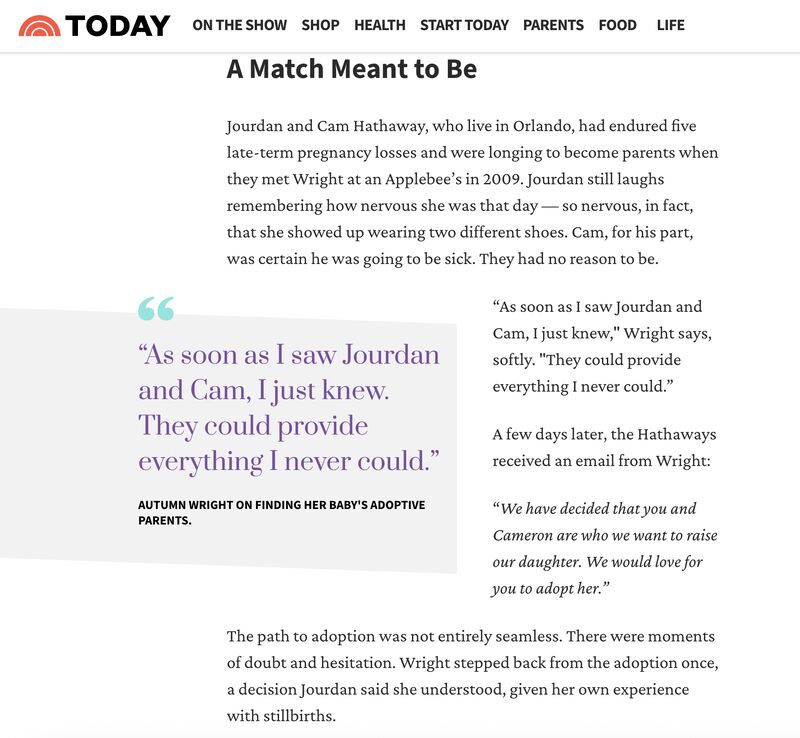
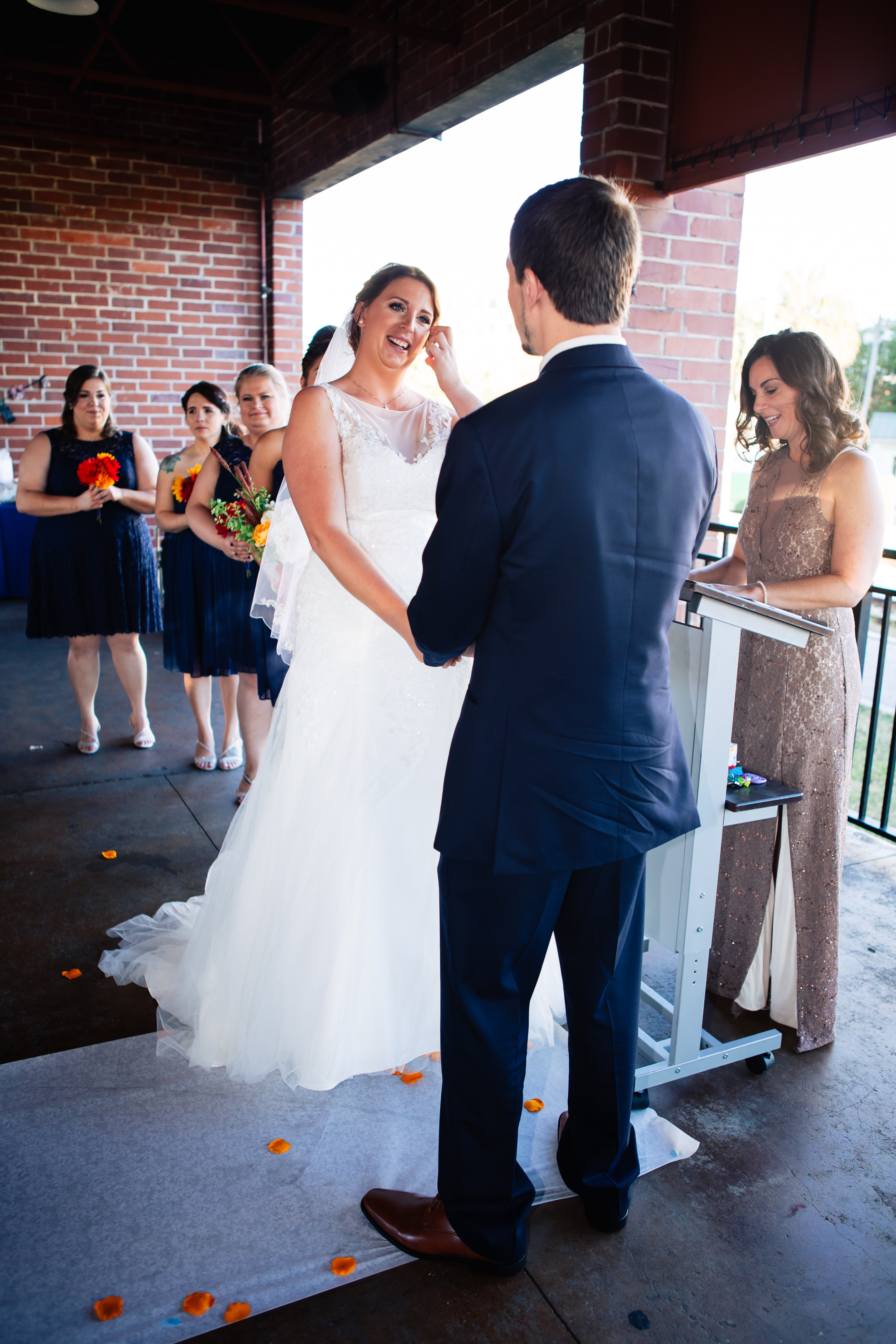
I’m Jourdan Hathaway, and for fifteen years I have borne witness to a story with my husband Cam that began with a single promise. A promise to a young woman, Autumn Wright, who entrusted us with her daughter—and her one important request: to stay connected. This week, the NBC TODAY Show shared our open adoption journey with the world. It’s a story fifteen years in the making—one of courage, vulnerability, and the extraordinary power of love that transcends biology.

Read our open adoption story on NBC TODAY!

Two Babies, Five Months Apart

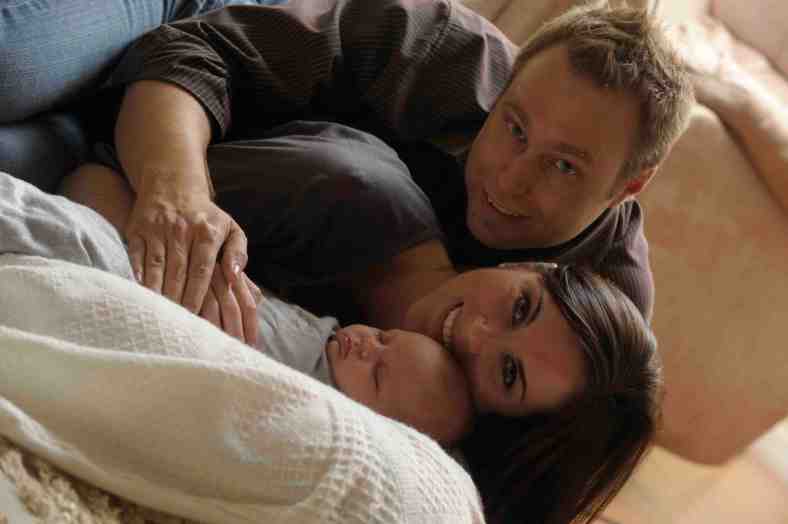
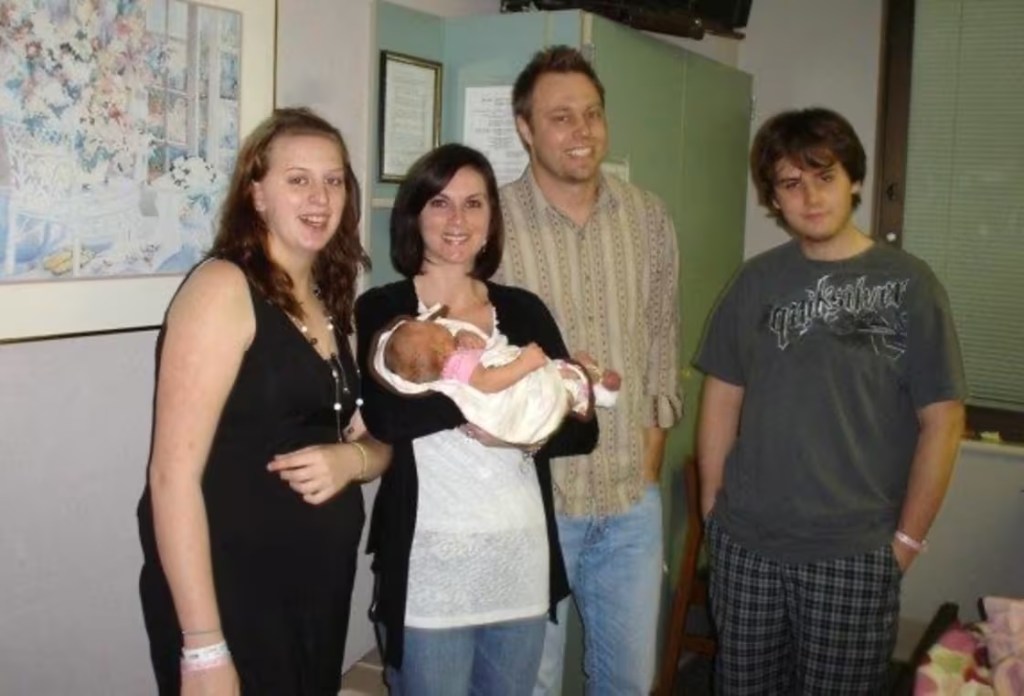
In 2010, our lives changed forever. Within five months, I became the mother of two beautiful children—one through adoption, one through birth. Madeline and Keller are just five months apart, bonded by laughter, sibling rivalry, the same milestones—and a deep connection that only love, not circumstance, can create. From the beginning our family defied convention. Not because we set out knowing what to expect with open adoption—but because our path was simply what felt right each step of the way. Our story has never been about how our children entered our lives, but how love wove us together into something bigger than we could have imagined (and not just for the children, but for everyone involved).

A Documentary of the Heart

Just two years into Madeline’s life, we felt compelled to tell our story publicly. We produced a short documentary—“Our Open Adoption Documentary” (see the full archive here) —because we wanted to show that open adoption can be built on trust, empathy, and shared humanity. I journaled every step of the way—every email, every phone call, every surge of hope, every moment of uncertainty—because I wanted Maddie, Keller, and the birth family to one day to read through the archives and understand not only the decisions that brought them into this world, but the love that carried them through it. That journaling, those first-emails and every communication exchange from the beginning, became a treasure throve when we revisited them for the NBC TODAY article as we got to relive our beginnings.

Life Imitating Art

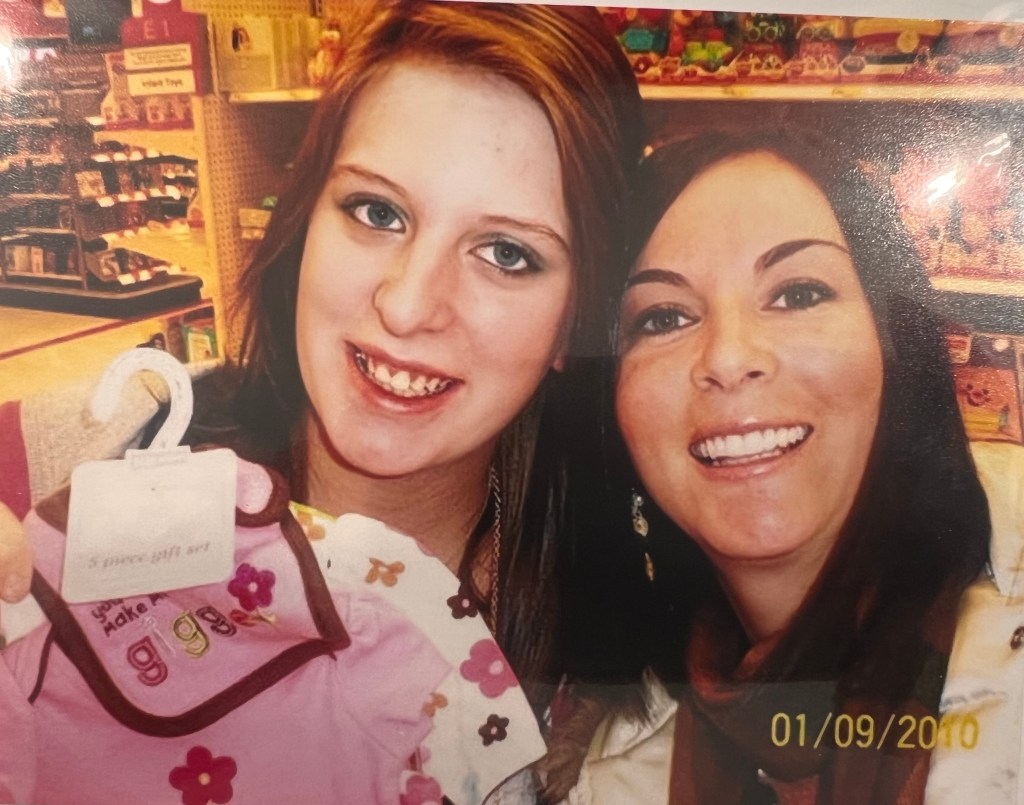
I’ll never forget our very first meeting with Autumn and Jay. In that first hug and hello, Autumn handed us a DVD—a lifetime movie, 16 and Pregnant. She wanted us to watch it, to see her story reflected in someone else’s, to understand her desire to stay in Madeline’s life. This small gesture was profoundly human—it was her way of saying, “See me. See what this feels like.” We watched it. We saw her. And we made a promise that day, in the quiet of our hearts and the steady clasp of our hands: we would live this differently. We would stay connected. We would build a family bigger than biology alone.

Fifteen years later, that promise has become our shared legacy. The TODAY feature shows our story on national stage—a story of art imitating life, and life coming full circle to inspire art again. What began as an act of trust has blossomed into something far greater: a beautiful, blended family created through love. It has always been our dream to inspire others by living as an example of what’s possible when we lead with compassion and openness.

A Blended Family, Beautifully So

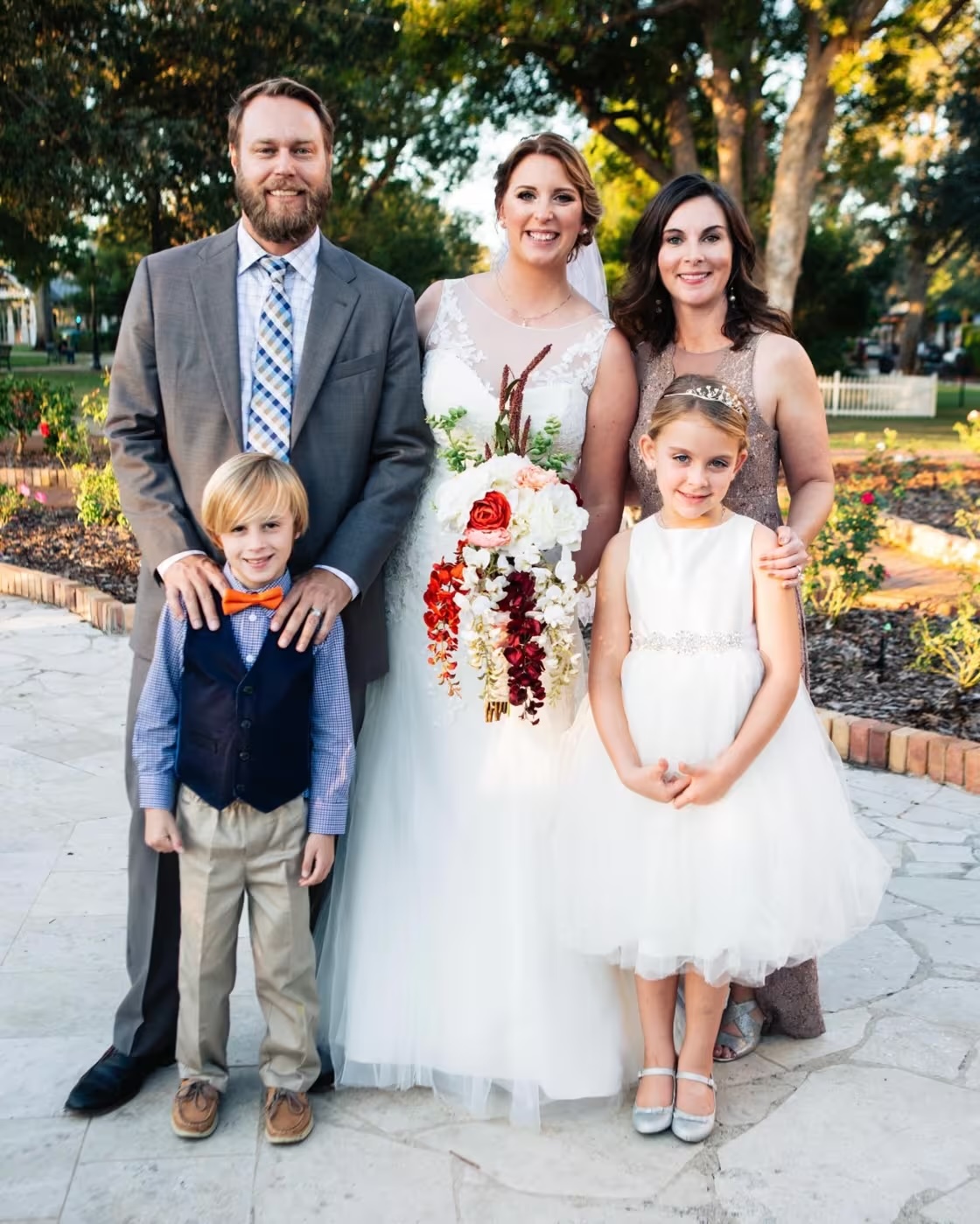
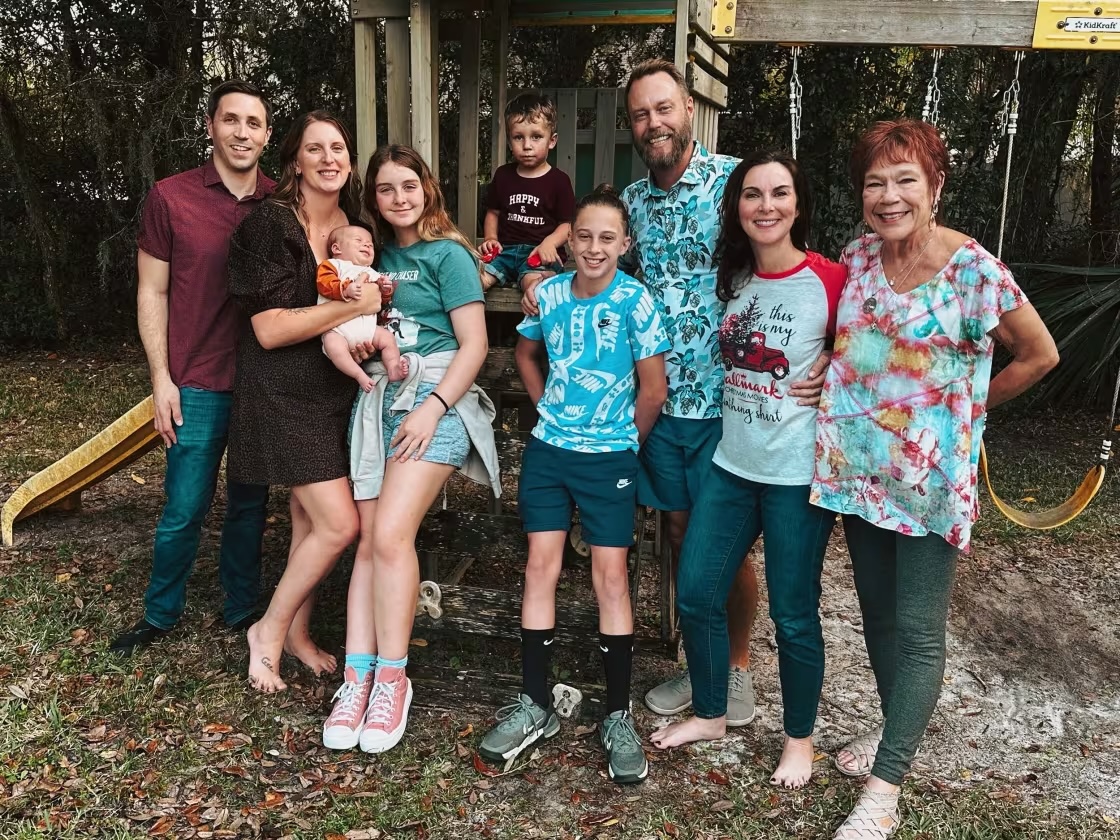
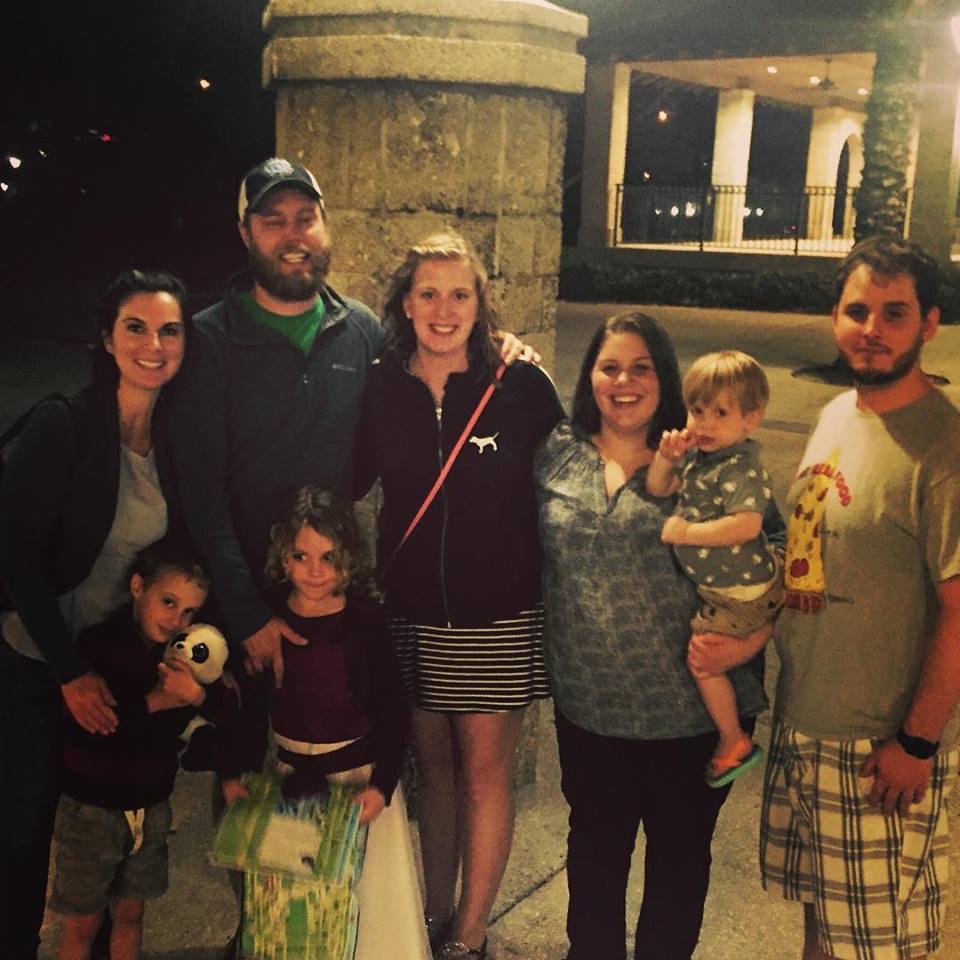
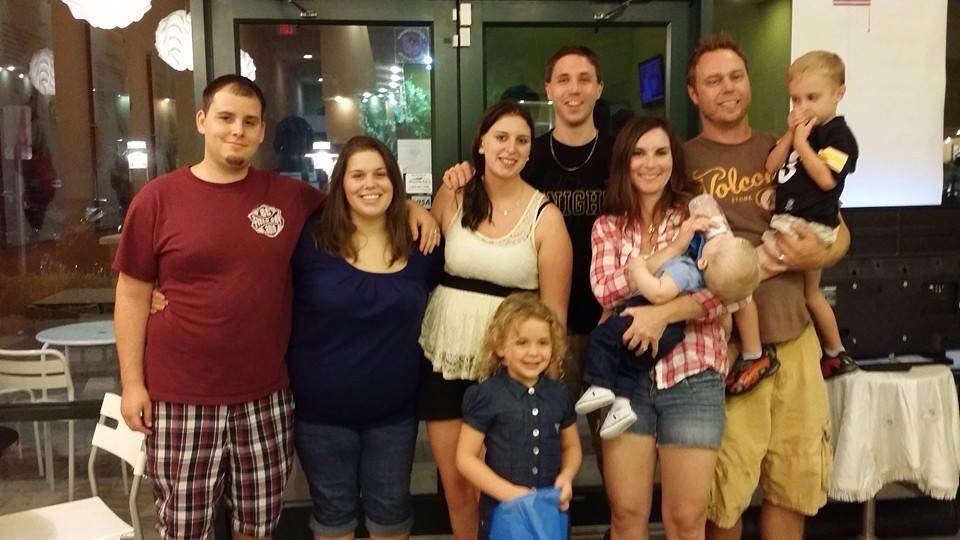
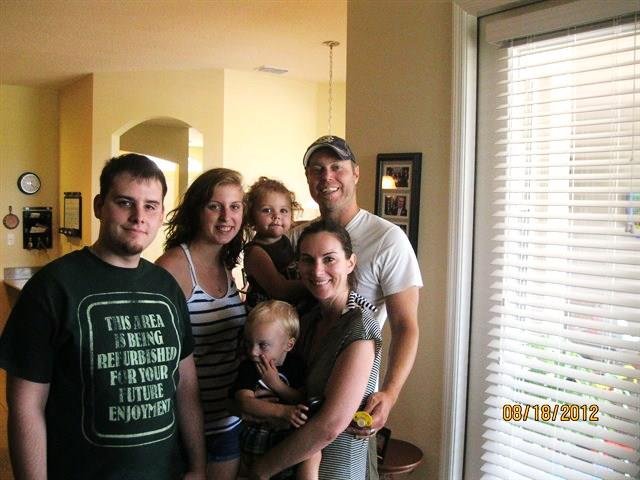
Our family spans many branches: Madeline’s brother Keller here with us; from Autumn’s side two brothers—Logan and Hudson—who adore her; from her birth father’s side another brother named Grayson. At the end of the day, we’re just a blended family—imperfect, resilient, bound by something deeper than DNA. We laugh together, argue over who gets the last cookie, celebrate milestones together—and we do it all knowing our “how” is not traditional, but it is intentional.

Inspiring What’s Possible

We share our story not because we’ve arrived. We share it because we’re still on the journey—and we believe in the power of our story to light the way for others. Through open adoption, through biological parenting, through blended families—we hope to show what’s possible when you lead with trust. When you document the journey. When you honour both grief and gratitude. When you say yes to a story that asks more of you than you thought you had to give.

I’ve often reflected in my journals, in scenes of tension and triumph alike, that story matters. The arts matter. Storytelling matters. Because for Autumn, that DVD she handed us—16 and Pregnant—was a threshold into being seen. And for us, sharing everything from that first email to this TODAY feature is our way of lighting a torch for others to contemplate.

Full Circle

Our journey reminds me that sometimes art imitates life. But the truest art (the kind that changes people) comes from real life unfolding in all its messy, magnificent beauty. Maybe someday someone will make a movie about us. But honestly, the best part of our story is the one we’re still writing: every laugh in the carpool, every sibling scuffle, every holiday we celebrate, every moment of connection we choose instead of defaulting to distance.

And if you’re reading this, if you’re considering adoption, open adoption, step-family, blended family, let our story be one of possibility. That in love’s economy, there is no scarcity. That in openness, there is freedom. And that in being seen, truly seen, there is the power to heal and to build.
Read our open adoption story on NBC TODAY!

My Personal Story of Economic Mobility

It’s Thanksgiving 2024, so naturally a lot of thoughts of gratitude and reflection.

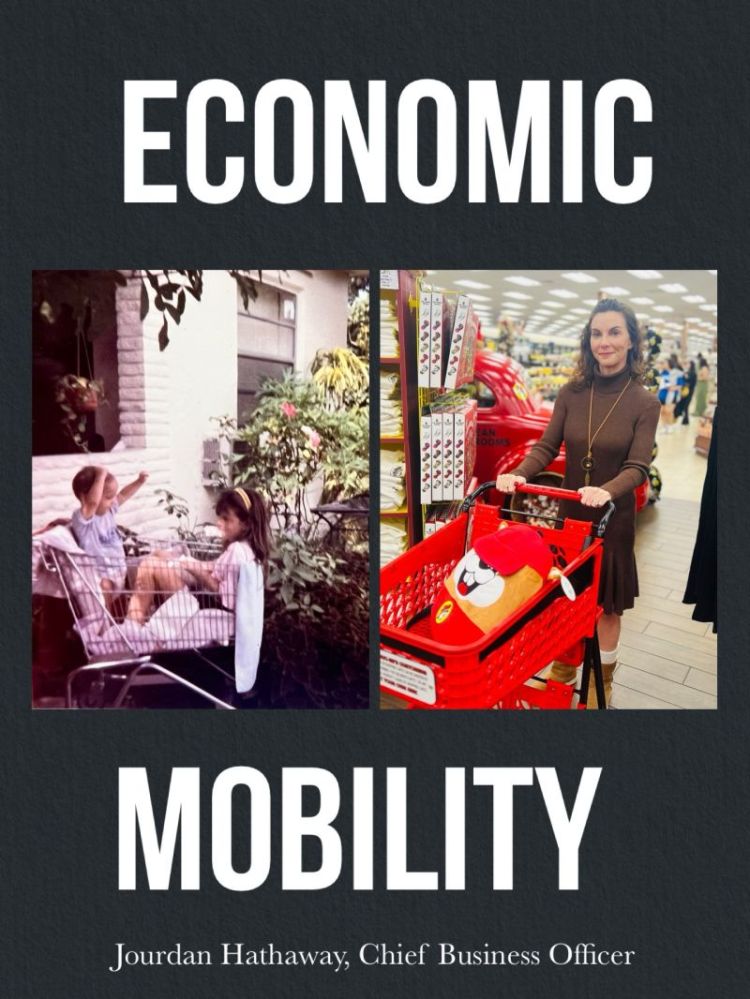
The Shopping Cart on the Left – Economic Mobility and My Starting Line

See the shopping cart on the left? That’s my brother and me. Why are there pillows and blankets in the cart? Well, that’s where we slept (we didn’t have a crib or bed). Why is this shopping cart outside in the front yard of a house? Well, we grew up without electricity and it’s unbearably hot without AC or fans in Florida so we napped in a well-intentioned permanently borrowed (ok stolen) cart outside. This is what poverty looks like – well, my childhood poverty anyway.

The Shopping Cart on the Right

Now look at the shopping cart on the right – taken today. Yes yes, we all love Buc-ee’s, but this is not about that. Sometimes when I push a cart, I think of when it used to be my bed and how different my life is now. I’m so grateful that I’m able to grab as much roadtrip snacks as my family can consume (except for the kid who chose to eat hard boiled eggs in the car, what the…). We are on the way to Thanksgiving with a stop in gorgeous historic Savannah at a hotel (hotel with an h, not an m).

This is economic mobility. It refers to people’s ability to improve their economic status over the course of their lifetime.

Of course I would not have called it that growing up – I just knew I wanted a safe and better life – to get out of the poverty and chaos I was born into. I achieved it though education, continuous learning, skilling up, great employers, and scores of teachers / mentors / coaches (who mean everything to my professional career). I am also relentlessly DRIVEN.

I share this not for sympathy or adulation; I deserve neither. I share this because I am so grateful to the individuals and institutions that power economic mobility. It deeply matters. Now my greatest satisfaction is helping others in their pursuit of betterment.

A drive not just to get by, but to build something better.

That experience carved something fundamental in me: a drive not just to get by, but to build something better. Over time, I realized that the journey wasn’t simply about escaping poverty, but about leaning into the idea that education, continuous learning and the right mentors could change the trajectory. As a leader today, that awakening shows up in two ways:

  • First, I bring a deep empathy for people who start from a less-advantaged place—because I’ve lived it. That shapes how I lead, how I form teams, and how I create opportunity.
  • Second, I lean into the mission of democratizing access—to skill-building, to meaningful work, to leadership—because I know what it feels like on the other side of the cart. That purpose anchors many of the decisions I make.

In short: recognizing this wasn’t just my story, but my springboard, transformed how I see leadership, not as a title or a destination, but as the capacity to pull others up alongside you.

It’s why it’s real natural for me to feel connected to the mission of General Assembly and all the work we do with governments, nonprofits, universities, and companies investing in people. I’m drawn to others who share this purpose.

  • To all you mentors out there, we need you. Keep opening doors for others.
  • To those trying to make their life better, you got this. Don’t give up.
  • To all my education and workforce industry peers, what a great mission we serve. Believe me, I know.

Higher Education in Transition: Some of the Challenges of Scaling Career-Connected Learning

Pre-Read Caveats

Higher education is very politically polarized right now and is in the news daily – from the ROI of a degree and the loan debt crisis to job readiness and equity/accessibility. Enrollments have been trending down for more than a decade and there are loads of systemic challenges being discussed. The below content doesn’t discuss any of that. Below is a summary of the content that was gathered when a few higher ed folks got together for a casual and informal discussion specifically on career-connected education and some of the obstacles universities (and B2B partners) cite when thinking about shorter, job-relevant programming for today’s workforce needs. It’s not exhaustive by any means, just some of the themes that higher ed professionals face in this topical domain. Yes, it’s totally biased to a few points – it was a focused conversation. It’s worth sharing because it’s important to bring people together who are working to solve similar problems – so here goes…..

Universities and Career-Connected Education

It’s certainly not suitable for everyone, nor is it the only path, but the traditional path of a college degree remains a vital and important option for career mobility – at least for the foreseeable future. Degrees provide a foundation of knowledge and cognitive abilities, forming a comprehensive perspective that equips learners to navigate diverse challenges in their professional journey. Degrees remain an essential component of career progression and personal development. That said, many in the higher ed industry are also deeply aware of (and focused on) the widening skills gap in our labor markets and are looking for ways to close the chasm for tighter career-connected learning. It’s a complex and multi-faceted issue, but there’s an exciting proliferation of interest and actions happening in the market today.  

Competing in the Upskilling Marketplace

In the face of rising competition in the upskilling marketplace, some universities struggle to maintain their relevance (actually more than “some”, it’s “many”). The higher education sector finds itself vying against various entities – from certification bodies, industry associations, or professional associations to learning providers like Google and LinkedIn Learning. In some cases, work experience or industry credentials are seen as more valuable to an employer to demonstrate a particular set of competencies and skills. For learners looking for the total package, universities must carve out their unique value propositions, they have hundreds of years of expertise with bachelor’s, master’s, and terminal degree programs. Today, there are additional expectations to:

  • Further embed specialized credentials from industry-specific organizations
  • Accelerate frameworks (and scalable AI solutions) that allow the curriculum to be more aligned with skills-based programming (at the industry level and even down to the specific employer level) – this isn’t just about hard skills; soft skills mapping is critical too
  • Give adequate and fair credit for military or prior work experience such that it appropriately maps to specific job requirements

Universities and Career-Connected Education

This is a sweeping generalization from decades of working in higher-ed, obviously, not all institutions face the same challenges, but there are common themes that show up on this topic. When discussing career-connected education with universities, they generally express enthusiasm for job-relevant programming. However, obstacles tend to be operational and practical. Universities grapple with aligning curriculum to career pathways and developing alternative pathways for students for whom a traditional four-year degree is not an option. These challenges are really exacerbated for universities when it comes to alternate pathways – meaning non-degree learning products (to be clear, there are a lot of institutions and companies doing fantastic work in this space). Moreover, industries don’t always clearly define the micro-skills needed for specific jobs, making it challenging for educators to create relevant skill-based programs. There is no standardized system for recognizing acquired job skills. Degrees and diplomas still hold sway due to their standardization, whereas certs/badges for specific micro-skills are less recognized, although this is rapidly changing.

AI will no doubt solve these things, but it’s not been adopted and scaled yet in a way that institutions and employers have equally forged to mutual understanding and satisfaction (yes at some point, this will be embarrassingly outdated). Today, curriculum-to-job-skills translation mapping (and vice versa) still requires some type of oversight and taxonomizing from a human SME who can translate and bridge gaps – and figure out where to prioritize opportunities. It can be a slow-moving slog with the amount of stakeholders involved.

Economic Challenges for Universities

Universities play a pivotal role in providing upskilling opportunities. However, they are often stymied by the economics of running these programs and connecting them to learners and employers. Competitive learning products can be expensive to develop and sustain if not carefully executed. At the end of the day, they must have reasonable unit economics. Rightfully so, the market demands a low price point for short-form learning products. The business model must make sense after you consider development and maintenance expenses along with the cost of student acquisition (e.g., marketing costs). Universities on their own are often unable to cost-effectively compete in a direct-to-consumer market; this is where employer partnerships and strategic B2B relationships become so important. Of course, there are indeed institutions that do have sustainable organic learner traffic at scale, great D2C e-commerce experiences for non-degree upskilling products, and mutually productive skills-focused employer arrangements – but many more that do not, and they and their partners are grappling with ways to win in this space.

Upskilling and Degree Requirements

Upskilling and credentialing continue to be pressing topics in today’s labor market. There are many complex obstacles to solve for both employers and educational institutions. For the upskilling paradigm to succeed, hiring requirements need an overhaul. Many employers still rely heavily on traditional bachelor’s degree requirements, even when the candidate may hold significant military experience, work experience, or alternate job skills credentials. The sirens are going off though as we’re already starting to see employers and states dropping the bachelor’s degree as a job requirement. Perhaps it’s not an either-or resolution – the world is evolving where there are different paths to prove competency and job readiness.

The Need for Lifelong Learning

The rapidly evolving professional landscape necessitates continuous learning, even after obtaining a job. Lifelong learning products are indispensable in catering to these emerging needs. Such educational resources, which may include online courses, workshops, certificates, apprenticeships, or badges to name a few, allow individuals to enhance their skillsets and remain competitive in a changing job market. They offer the flexibility to accommodate personal and professional commitments while pursuing further education.

Technology advancements, particularly in areas like AI, are not just disrupting jobs but also creating new ones. These emerging roles often require niche skills and a deep understanding of the technology, which can be gained through targeted learning programs. However, in other cases, qualifying for these new jobs might demand a full degree to ensure a comprehensive understanding of the field. Again, not an either-or; careers should be underpinned through optionality. Proving candidates have the knowledge, skills, and abilities for a given position will be key.

Degrees and Upskilling: Embracing Optionality

In the face of this evolution in job requirements, a three-pronged approach that values degrees, continuous upskilling, and non-degree alternate pathways can all serve a purpose. Degrees lay the groundwork for a large segment of the population, providing broad knowledge and critical thinking skills (granted, we still need degrees to provide actual employment). Simultaneously, lifelong learning products offer a means to stay updated with industry changes, acquire new skills, and prepare for the jobs of the future. Just as vital are non-degree alternate pathways for job readiness. Together, these different pathways can equip learners with the capabilities and optionality needed to thrive in a dynamic professional environment.

Conclusion

In conclusion, while there is growing recognition of the importance of upskilling and the provision of alternative education pathways, several obstacles remain, including ingrained hiring practices, the economics of delivering shorter-term, lower-cost programs, competition, and the lack of standardized micro-skill credentials. To address these challenges, a multi-pronged approach involving educational institutions, employers, and policymakers is necessary. This approach could involve a review of hiring requirements, an overhaul of educational program structures and pricing models, and the development of standardized systems for recognizing micro-skills.

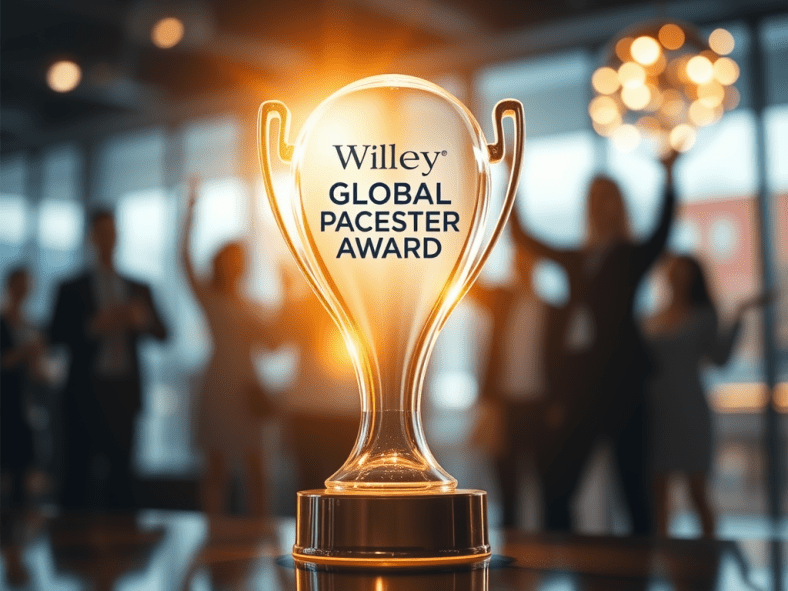
Proudly Announcing That I’m a Recipient of Wiley’s Global Pacesetter Award

What’s a Pacesetter?

Wiley’s Pacesetter Awards program honors colleagues who have made significant contributions to Wiley’s success. They are issued semi-annually on a fiscal year basis at the individual and team level. I’m so excited to share that I’m one of two recipients at the individual level.

 Winners are chosen for achieving one or more of the following criteria:

  • Significant impact on Wiley’s financial results and/or strategic goals
  • Identification of opportunities that result in acquisitions, partnerships, joint ventures or alliances
  • Significant cost savings/expense reduction
  • Resolution of critical problems and obstacles to achieving goals; responsiveness to unforeseen circumstances
  • Outstanding technological innovation that increases revenue and/or reduces cost
  • Outstanding creative effort
  • Extraordinary level of intra-company service through demonstration of professional capability, strong interpersonal relations, cooperation and helpfulness
  • Extraordinary level of external customer service and leveraging of sales through customer relationships
  • Significant improvements in products, processes and workflow, or quality orientation (should result in increased revenue or reduced costs)
  • Other achievements or results involving specific objectives, projects, activities or tasks which significantly advance progress towards department, business or company goals

So what are my thoughts on all this?

Reflections From an Overachiever

High performers need their tenacious drive and skill to be cultivated, nurtured and course-corrected to reach their maximum potential. Coming to Wiley Education Services has provided that in so many ways. I am surrounded by incredibly talented folks from whom I am learning so much from. It’s been a foundation for growth and a catalyst for mentorship upstream, down and peer-to-peer.

Since day 1, I have felt empowered and championed for across the entire organization – which has in turn cemented my commitment to our collective success. The standard for performance is high, but what I find so compelling is the intangible dedication to professional development. It goes beyond formal reviews; it unfolds every single day organically by the culture (for those who seek it). This seems like a good stopping point to plug this quote:

“We need to stop telling [women], “Get a mentor and you will excel.” Instead, we need to tell them, “Excel and you will get a mentor.”
― Sheryl SandbergLean In: Women, Work, and the Will to Lead

I am also acutely aware that there is no story to tell without the efforts of my entire team. Whether they’ve helped me develop our strategic direction, or activated upon it with passion and commitment, the results are indicative of our collective strength.

Are you in a leadership role?

If yes, then I encourage you to truly invest in the talent around you. I am the byproduct of so many people investing in my academics, career and character over the years – and there’s been a lot of course correction needed along the way.  Those hallway conversations, random phone calls, late night skype sessions, impromptu brainstorms, 1:1 meetings and informal mentoring make a really big impact on folks.

Are you the spouse or partner of a woman in leadership?

I know it feels like I’m doling out some sort of Oscar speech. Believe me, I’m not taking myself too seriously here. It’s just that the recognition has given me some time to reflect on my path. This is where I have to give thanks to my #1 supporter – my husband Cam.

“When it comes time to settle down, find someone who wants an equal partner. Someone who thinks women should be smart, opinionated and ambitious. Someone who values fairness and expects or, even better, wants to do his share in the home. These men exist and, trust me, over time, nothing is sexier.”
― Sheryl SandbergLean In: Women, Work, and the Will to Lead

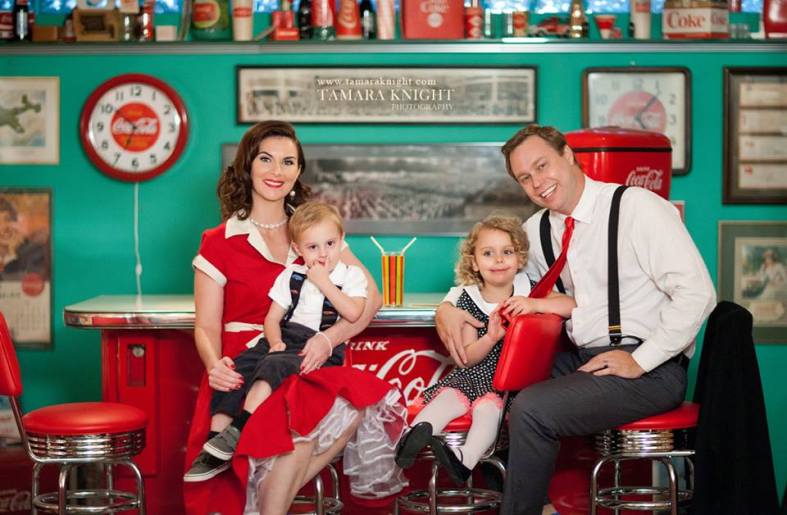
Nostalgic 1950’s Family Life – The Hathaways Take You Back a Simpler Time

The Hathaways invite you to enjoy this dreamlike sequence of a simpler time. Step inside the nostalgia of 1950’s family life. It is indeed those simple little ordinary things that imprint your heart with tender joy.

Remembering when…

…when an RSS feed meant Rise, Shine & Smile for breakfast
…when ‘face time’ happened around the table
…when a ‘like’ was a compliment paid in person
…when’ lol’ was truly laughing out loud
…when a ‘social share’ was when you split a coca cola
…when work and home rarely intersected
…when we pledged allegiance to more than 15 minutes of fame
…let us all remember that our simple moments will end up being our most treasured

“Remembering When” playfully relies on words that haven’t changed, but whose meaning has transformed in the wake of a new generation. The imagery draws upon the nostalgic (and very real) memories indelibly stitched in our childhood DNA. It’s the delectable Thanksgiving dinner smells permeating grandma Margaret’s house, the creative Halloween costumes hand made for Cam by Nana Penny, the green pancakes Christmas morning with papa Chuck, learning to ride a bike with Paw Paw Jerry, Nanny’s cookies that simply can’t be duplicated, arts and crafts projects with grandma Charlotte – and then there’s the Coca Cola legacy. Cam’s grandpa dedicated his entire life to working at the plant. Coca Cola wasn’t just a kitsch brand, it was a way a life. This is something our friend Ray has dedicated his collection to proving, so his home became the backdrop of our video.

It all started with a pink cherry apron

It started with a single point of inspiration: a pink cherry apron handmade by my neighbor for Madeline and me. From the moment I unwrapped the mommy / daughter cooking treasure, my mind was transfixed on old Betty Crocker ads. I had visions of the tender moments of a simpler time. Then there was the dress: Modcloth’s Comedy Hour Dress in Solid Red. I came across this stunning vintage dress and the concept unfolded.

Anyone who knows me has come to witness my love of written articulation of concepts that capture a slice of life; anyone who knows my husband has come to witness his relentless pursuit of visual elegance. So, when a writer marries a designer – this is what happens. Simple family photos take on a life of their own! (you should have seen our wedding 101 guide)

The concept

The concept is about re-framing our sometimes impersonal, technology-driven, family-fragmented, overworked lives and simplifying it down with a visual antithesis from days long gone. The irony is that Cam and I met online, both work in technology and my career aspirations are executive leadership.

I’ve been stuck in a paradox since the day I was born; I listen to Jazz, my favorite show is Bewitched and I adore device-free Sunday dinners. Come Monday morning, I want back in the conference room and thrive under tough business challenges. None of that takes away from the quest to slow down – even if it’s only for a photo shoot.

The talent behind it all

We’d like to sincerely thank the following folks for bringing this vision to life. Our industry is filled with extraordinary talent.

Our Open Adoption Documentary

For the benefit of our daughter, the birth parents, and our entire family, we have been chronically our story all along the way. We’ve captured our remarkable journey through photos, videos and blogs – beginning with our first miscarriage, the next 6 that followed, and all the way through forging a relationship with a teenage couple considering adoption and the 14 years that have since past. If you have 15 to spare, we invite you to catch a glimpse into where it all began….

Documentary Overview

A heart-warming story of two families who opened their hearts to one another and the precious little girl who continues to melt everyone’s heart all along the way.

A Perfect Plan

This story is a celebration of little miss Madeline Brooke who was adopted and the uniquely loving way in which she is being raised. It recounts two families who unknowingly, but desperately, needed one another and how the universe created a perfectly-unperfect plan together for all those involved. ‘Perfect’ in this sense does not mean without hardship, heartache or grief – but it does mean the way in which hindsight eloquently articulates that something bigger than yourself is at work. It’s the kind of perfection that comes along with the messiness of life – when you can look at your deepest, darkest seasons of hurt and sorrow and genuinely feel that you’d endure it infinitely over again to wind up at the exact same outcome – because on the other side, one bear hug from a child is indeed all the perfection you need in life.

It is in no way a stance on the ‘right way’ to do things. After all, ask any parent if they have found the foremost expert on the single right way to parent and you’ll find no two answers alike. Every child is different. Every family dynamic is different. Every circumstance is different. This shared testimonial is simply ‘our story’…and what a story it is.

At the time of video production, Madeline is about one and half years old. She has a brother who is also one. {More on that in the video!}. None of us know what the future has in store for us – but neither does any family. All we know is where we’ve been and what we have today.

So what was the catalyst for doing this documentary (other than being giddy and parents and wanting to brag about the cutest kids on the planet)? Well, we (the adoptive parents) tell our story all the time as does the birth parents. We have scrapbooks, blogs and all sorts of storytelling tools. But there was something that sparked a beaming pride that just couldn’t be ignored. At one of early adoption visitation outing, our birth-mom told us about her senior class project. She decided to take up teen pregnancy adoption education whereby she speaks to other pregnant girls who are faced with an excruciating circumstance. We couldn’t believe her maturity and compassion for others. Here we all were, side-by-side, watching Maddie and her brother giggle ferociously as they navigated the water spikets in a community park. The birth-dad was picking up Maddie’s pink sippie cup for the millionth time off the floor, the birth-mom was telling us about her college plans and senior project and my husband and I were taking video to capture the beauty of life’s messiness. We couldn’t help but have immense gratitude. Did any of us think we’d be strong enough to do this? Did any of us think it was even possible? There’s a pair of baby blue eyes –  that with one look – will indeed show you that the impossible is possible….

We hope you enjoy our story!

Production Credit

A big shot out to the incredibly talented team at Reel 9 Studios for capturing our story. It was filmed on 2 Sony Z1U cameras and edited on Avid MC by Caleb Mixon, CEO. He was amazing to work with and we highly recommend him!

If you are interested in our story, or would like to learn more about our documented footage, feel free to contact me. We hope that our story inspires others to the blessing of adoption. What once felt so unfamiliar is now the very core of our lives.

Have You Ever?

Have you ever heard the story about a friend of a friend who knew someone that got pregnant after they adopted? It seems like any time people choose to adopt a baby, it elicits this conditional response of, “watch, I bet you’ll get pregnant now”. Statistically speaking, only 5% of adoptive parents actually go on to have a biological child. This is a very small percentage; and chances are, it will not in fact happen to the person you are chatting up about it.

Well now, here comes the crazy part. Drum roll please. It would appear that Cam and I are in that 5%. That’s right, we are pregnant! Insert, “I told you so’s” here. We are actually 6 months along with a little boy due October 20th. We waited until nearly the end to share the news and we are happy to report that we’ve passed all of our prenatal testing with flying colors! (However, please keep the prayers coming as we still have a long road ahead.)

Just to recap:

  • This is our 6th pregnancy in 3 years.
  • Our children will be just over 6 months apart.
  • Last Thanksgiving, we were grieving the loss of our 5th child. One year later, we are celebrating the holidays with not ONE, but TWO babies.

We haven’t really moved past the shock or figuring out the logistics of raising two babies just a few months apart. Can you take two maternity leaves in a year? Will we ever sleep again? Do we need a minivan? Honestly, we are perfectly content basking in the possibility of having two children and have faith that the rest will fall into place. It’s the family blessing that we’ve always envisioned for ourselves.

Life is such an unexpected roller coaster. We wouldn’t change our situation for anything, though never could have imagined it unfolding this way (nor though we were strong enough to endure it). Clearly the universe wanted us to be part of Autumn and Jay’s lives and we are actually thankful our losses brought us to them so we could have Madeline Brooke. We feel so incredibly blessed that we can experience adoption and childbirth. Even more miraculous is that our children can forever be a testament to God’s power and they will grow up learning that families are made in many ways.

So go on, keep telling that story about these people you knew who adopted a baby and then got pregnant. Only now, it won’t be a friend of a friend who knew someone….it’s people you know firsthand!

If anyone would like to contact Lifetime so they can start on the script of our movie, we give you the green light!

The Hathaways