


As a kid, I loved show and tell.
As a professional, I’ve come to love show and demonstrate.
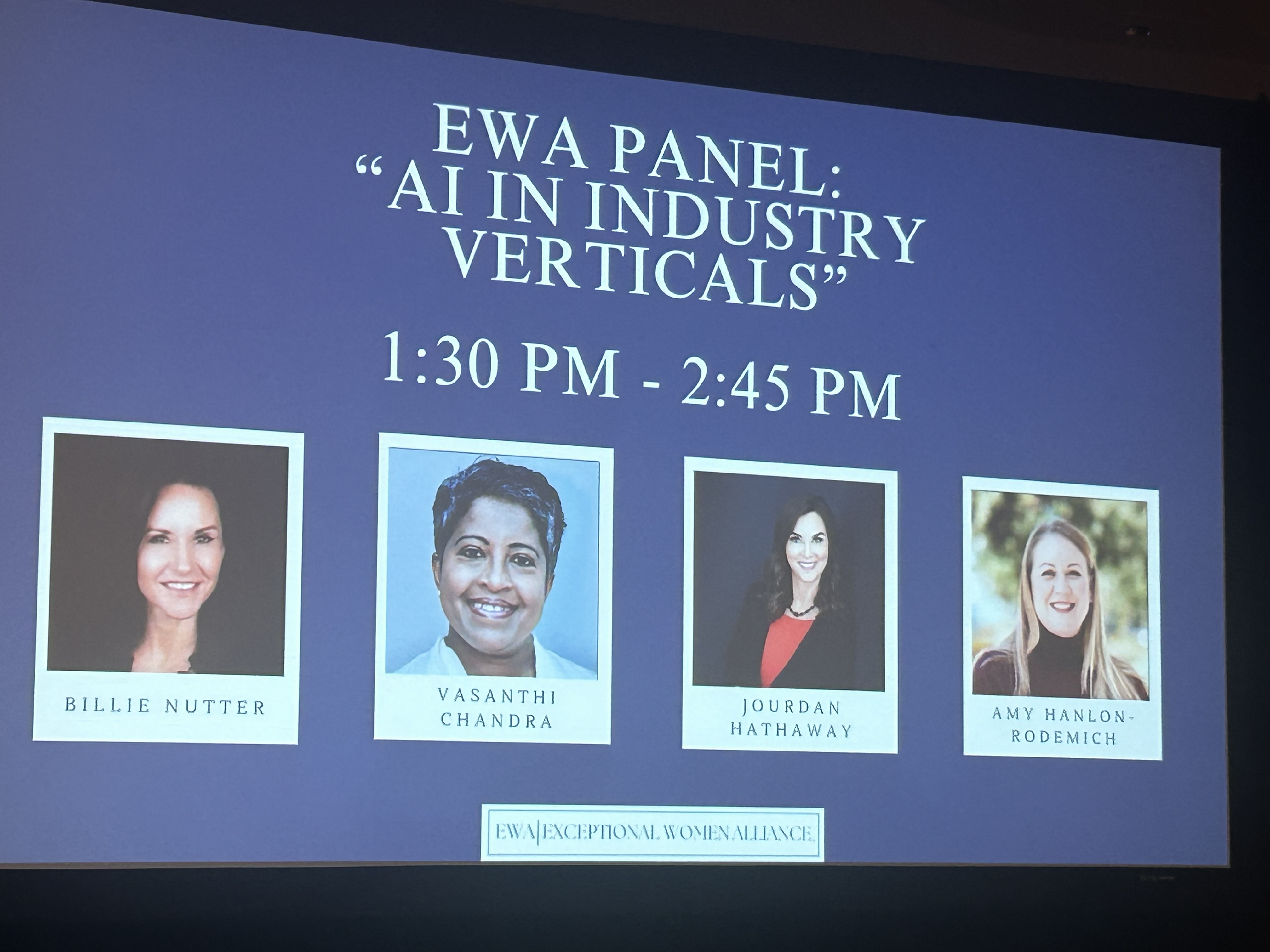
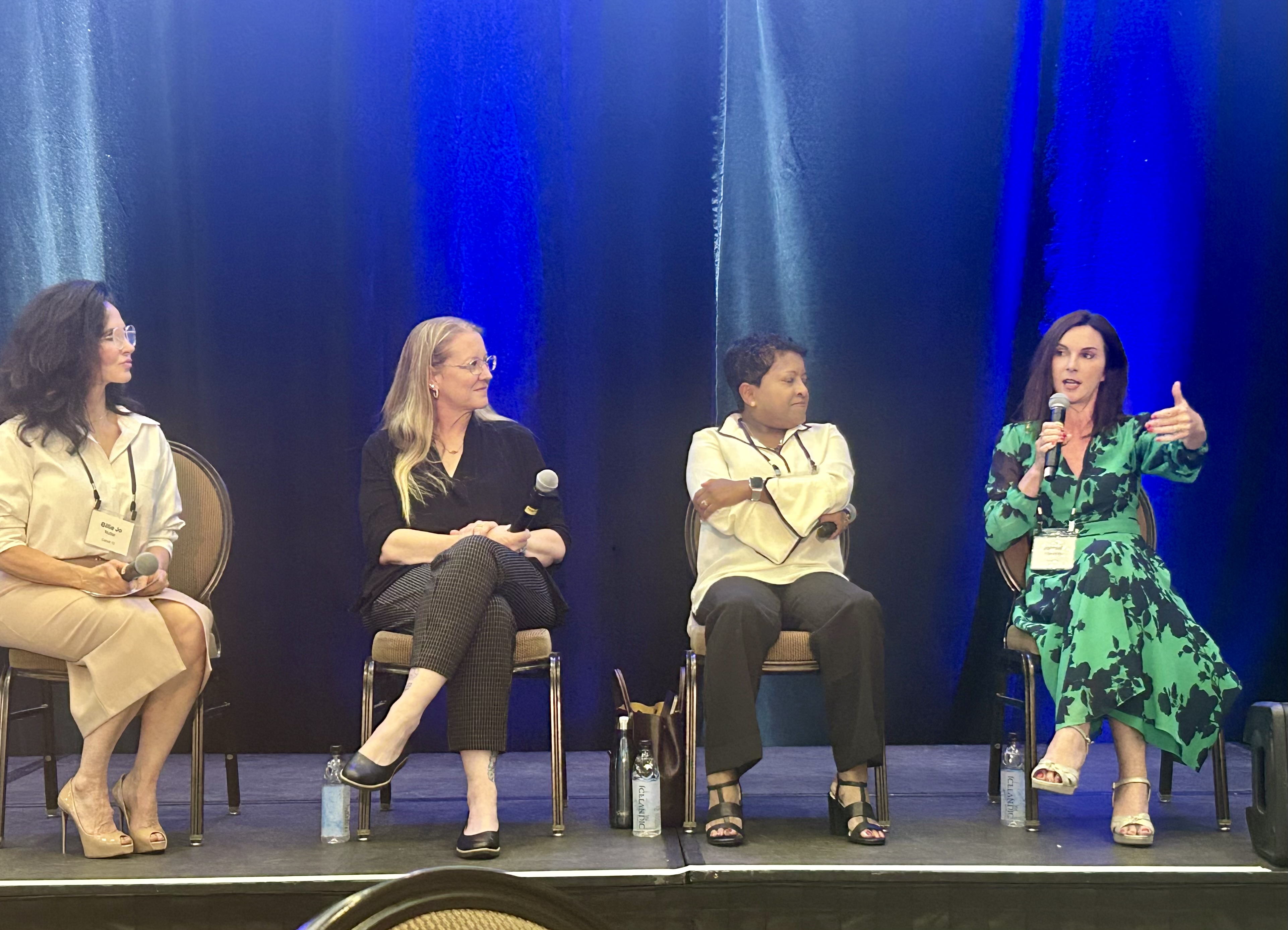
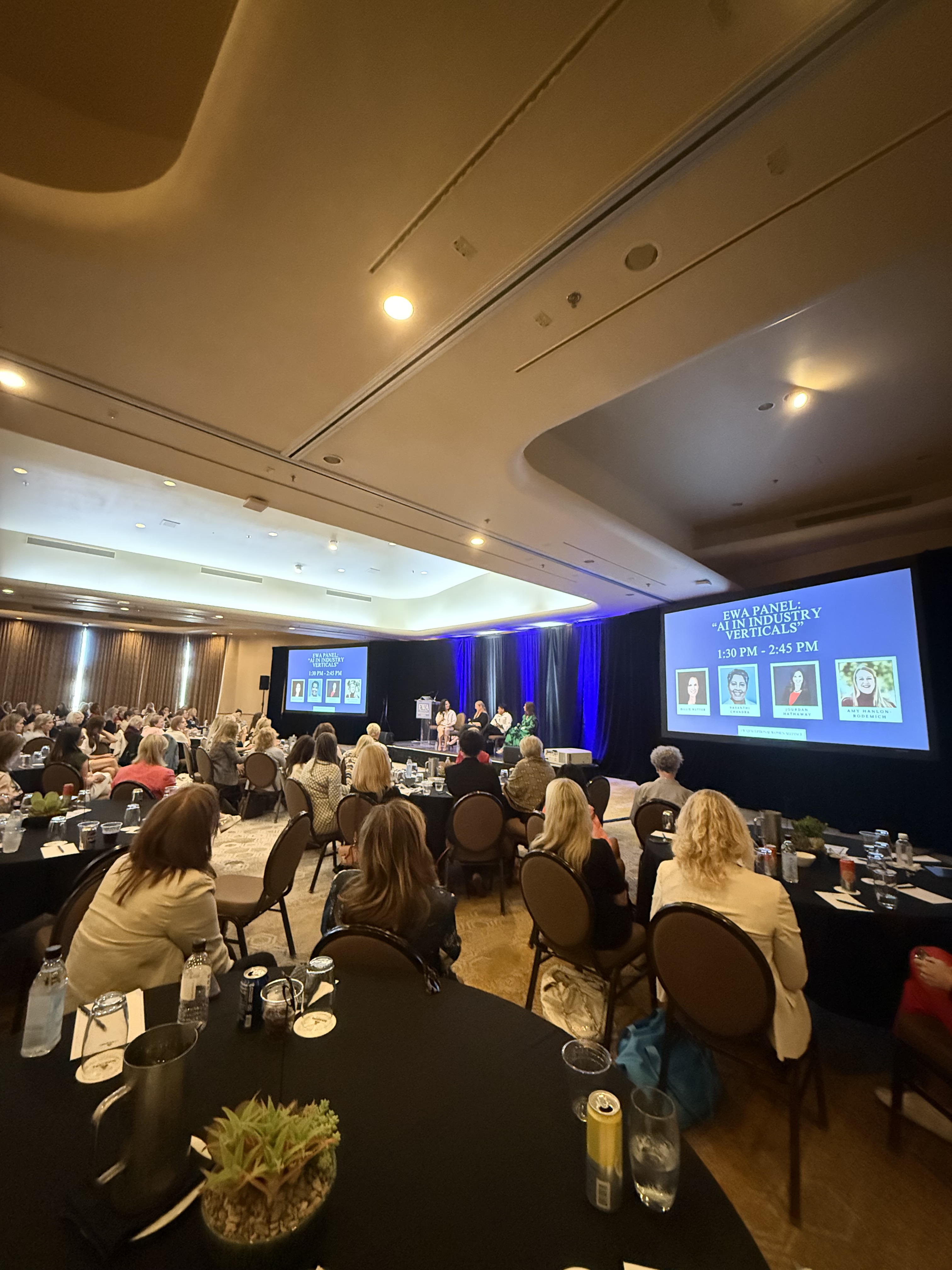
That mindset guided me recently when I spoke on a panel alongside some truly knowledgeable AI experts across industries—Amy “Amy H-R” Hanlon-Rodemich, Billie Jo Nutter, and Vasanthi Chandrasekaram. The audience? A powerhouse mix of industry-diverse scientists, Fortune 500 execs, government leaders, founders, and entrepreneurs – from both inside and outside of tech. People with no shortage of ideas and information hitting them daily.
So how do you make a topic like AI skilling resonate with an audience like that—without drowning them in jargon or fatigue? You demonstrate!
Making AI Skilling Memorable
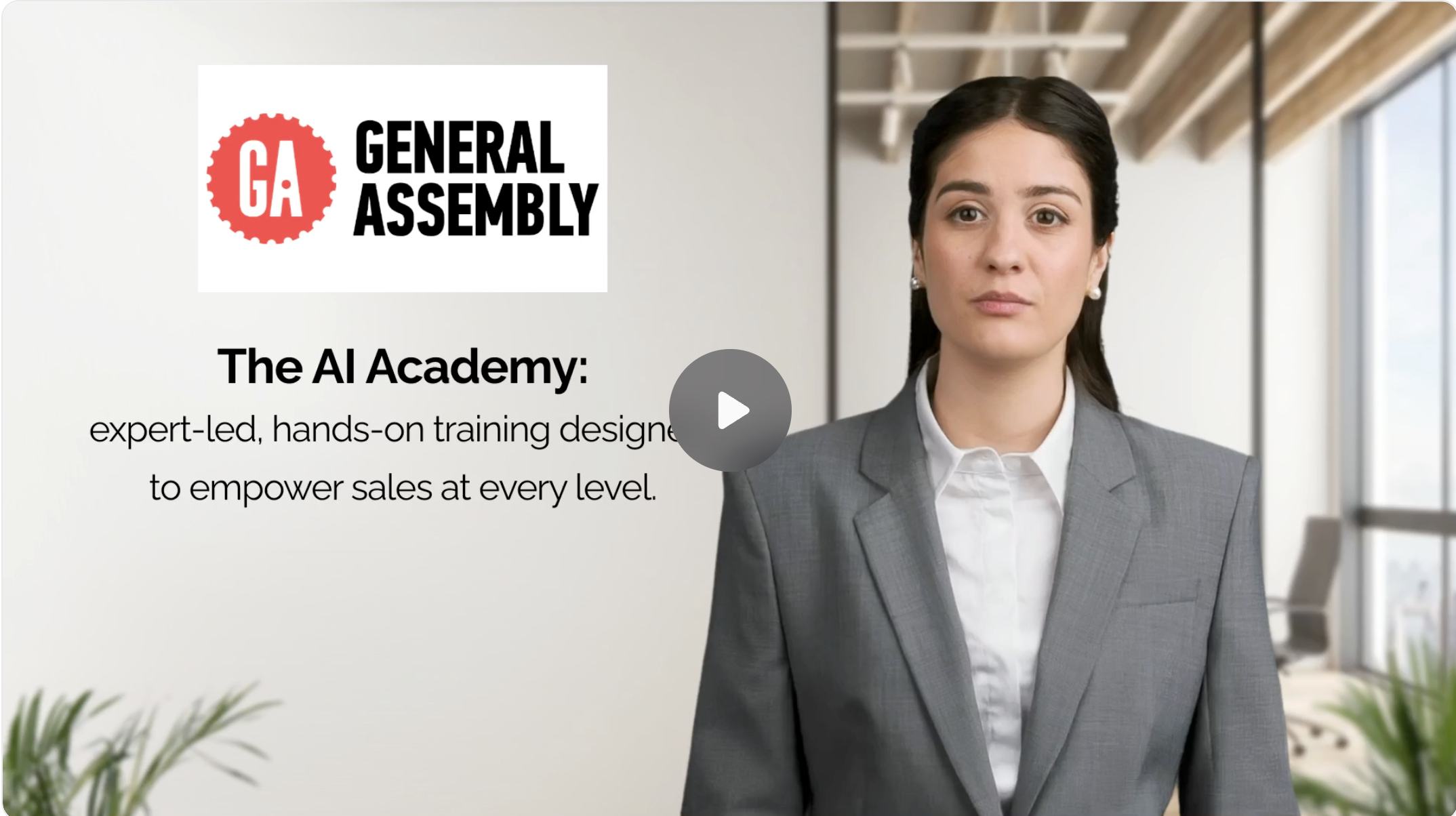
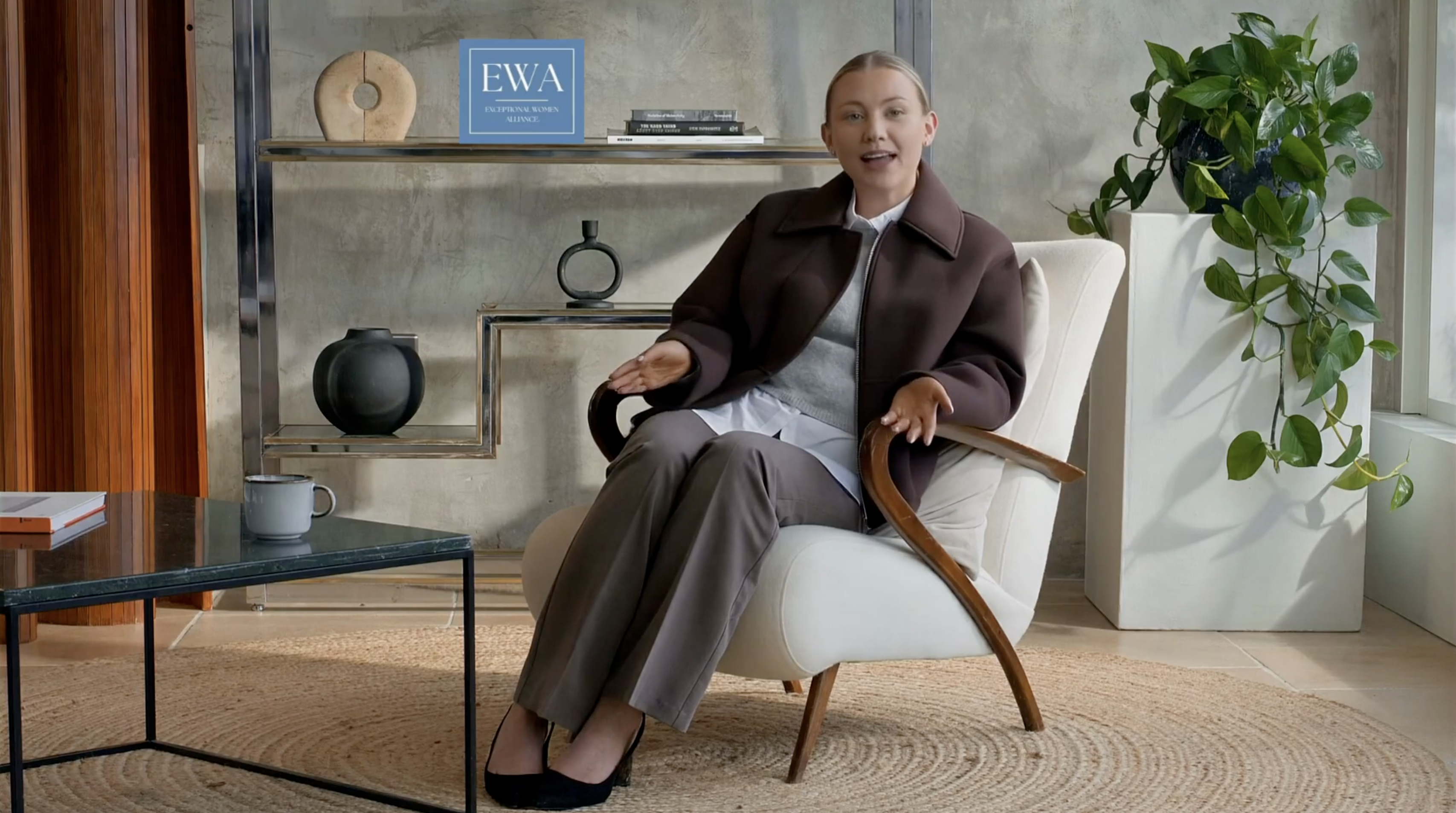
I used Synthesia (I have zero affiliation) to bring an AI avatar I named Cynthia to life. She opened our panel, welcoming the audience, asking questions, sharing trivia, even cracking jokes. Think awards-show host meets moderator. It wasn’t about showing off the tech, it was about creating a memorable, relatable experience that made AI’s potential click.
And this is the bigger point: AI skilling doesn’t mean you throw out what you already know; it’s about extending those skills with new tools.
- A marketer who scripts, storyboards, and designs can now spin up multilingual videos at scale.
- A trainer who builds slide decks can create dynamic interactive learning modules.
- A product manager who builds demos can deliver personalized walkthroughs across time zones.
- Heck, a Chief Marketing Officer / Chief Business Officer can skill herself and build an interactive AI video for a speaking engagement.
Business Benefits for Adding AI Generated Videos in your Toolbox
- Innovation: Enables you to experiment with novel storytelling with dynamic avatars and immersive experience (I had way more fun than building a powerpoint BTW)
- Scalability: Training, demos, and communications can help teams with lean resources scale.
- Speed: Content production timelines shrink from months/weeks to days/hours.
- Consistency: Messaging stays accurate and on-brand every time.
- Accessibility: Multi-language dubbing enables localization.
- Engagement: Interactive avatars connect in ways static PDFs and presentations can’t.
- Efficiency: Lower production costs for lean teams and lean budgets.
While AI generated video platforms are powerful for scale, speed, and accessibility, there are many cases where traditional video production remains the right choice.
High-stakes moments often demand the creativity, nuance, and emotional resonance that comes from working with skilled directors, producers, and film crews. AI-generated video is a fantastic tool in the professional’s toolbox, but it doesn’t replace the craft of full-scale production when the stakes call for it. It’s not about either/or, it’s about knowing when speed and scale matter most, and when human-driven storytelling makes the biggest impact.
For me, it’s another tool in the growing toolbox of an AI-enabled professional. The real power lies in knowing when to apply the right tool to amplify skills you already have.
Key Takeaways
- Show, don’t just tell: Demonstrations make AI practical, not abstract.
- AI skilling builds on strengths: storytelling, design, and communication translate into powerful new applications.
- Tools like Synthesia expand the professional toolbox: enabling speed, scale, and reach.
- Business benefits are tangible: efficiency, engagement, accessibility, and cost savings.
Smack in the Middle of the AI Skilling Revolution at General Assembly
I also come at this from a unique vantage point. At General Assembly, I’m fortunate to be right in the epicenter of AI workforce skilling—where training, experimentation, and innovation are what we do every day. We’re tool agnostic, but we have the benefit of being exposed to (and testing) many of the innovations emerging in the market. That perspective helps me see both the promise and the limitations of AI tools and why the broader conversation about AI skilling matters so much.
Want to learn more? Empower your teams with in-demand AI skills through hands-on, customizable training, designed to unlock the full potential of AI across your entire organization. From leader to individual contributor, we have you covered.


 Jourdan Marie Hathaway