
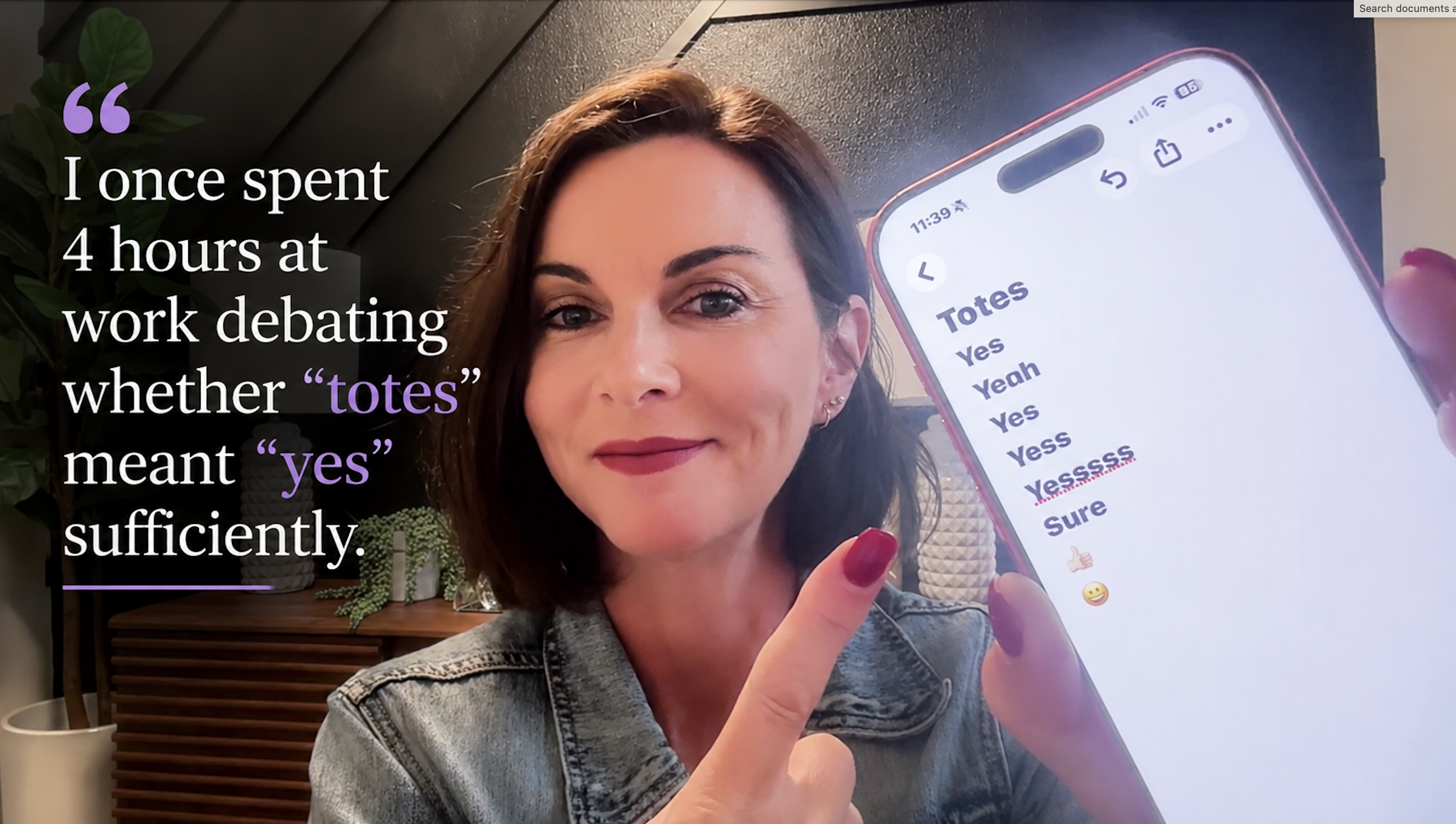
More specifically, if “totes” constituted valid consent to receive SMS messages. At face value, if time is our most precious commodity, there are probably better ways to spend it (totes) but considering I still think about those 4 hours many years later, that experience added to my readiness for the unknowns of enterprise tech implementation projects.
I was at an org that was a very early adopter of SMS capabilities within higher ed. It was long before the maturation that exists in SMS tooling today, the super early days. After all the planning and tech config, it was time for the first student engagement step: the OPT-IN. Back then, the instructions were to reply “YES” to opt in or “STOP” to opt out. No reply meant suppress.
Assumptions for customer engagement responses
I assumed people would largely do one of three things: YES, STOP, or nothing. Boy was I wrong on the STOP side. There were many…um…colorful words used in its place. I’ll let your imagination fill in the blanks 😡. I’ll never forget watching those replies hit the CRM field with my lead engineer. Yipes. We wrote a script to map them all to the suppression list and moved on.
But I was equally surprised by the permutations of “YES.” Yesss. Yeah. yesss! 👍 Thumbs up. 😁 Smiley face. Totes. What’s totes? I didn’t know it meant “totally” at first. There was 72 versions of “YES”, some clear, some debatable.
How we reached a decision and wrote our policy
I sat through a series of meetings with tech, operations, compliance, and regulatory to debate whether “totes” would hold up in a regulatory case as valid consent to receive SMS. It sounds funny now. But this was brand new technology, a brand new use case, and there was scarce familiarity with any of it. We read the industry regulations. We discussed risk tolerance. We consulted the vendor and others in the space. Then we made a decision and published our policy.
Learning not just the answer, but the process of getting to one.
I learned a lot about tech adoption during this. You’re not just implementing a tool, sometimes you’re writing the rules as you go. There’s no precedent for the thing that hasn’t happened yet. What prepares you is framework thinking. It’s a skill to hold ambiguity without freezing, to make a defensible decision with incomplete information, and then document it so the next person doesn’t start from scratch. That’s what “totes” taught me. Not just the answer, but the process of getting to one.
There’s also tremendous value in the accumulated scar tissue of every weird edge case you had to think through seriously, even when it felt absurd in the moment. Especially when it felt absurd (let’s just say I have more than a fair amount of absurdity with AI right now). That’s the muscle. Those muscles transfer to every implementation project that comes after.

